
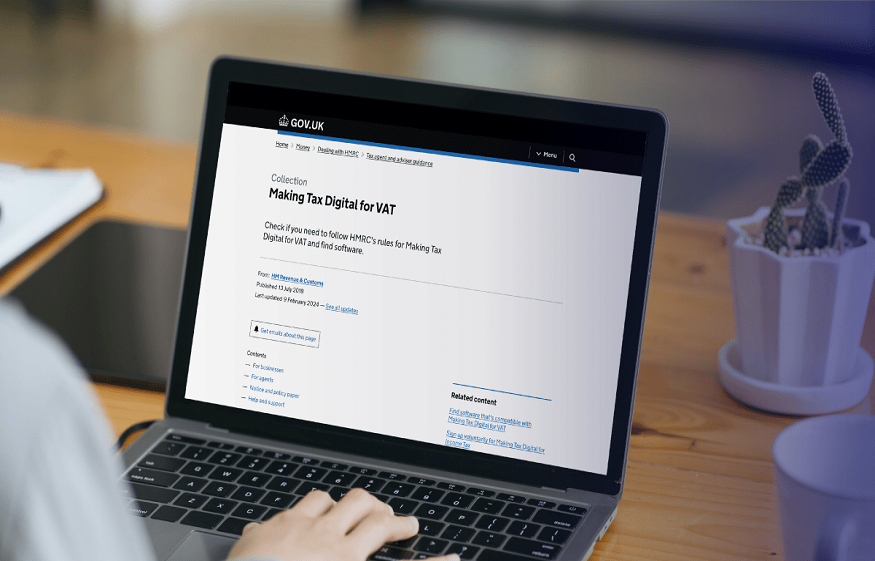
Making Tax Digital: Is Your Business Ready?
The UK tax system is undergoing its most significant transformation in a generation. The shift towards a fully digital tax administration, known as Making Tax Digital (MTD), is no longer a distant concept but an approaching reality for millions. For sole traders and landlords, the next phase of this initiative, Making Tax Digital for Income Tax, is on the horizon. But what does it actually mean for you and your business? Is it just more admin, or is there a genuine benefit?
Making Tax Digital is a UK government initiative designed to modernise the tax system. The primary goals are to reduce common errors that cost the Exchequer billions and improve tax administration through digital record-keeping and tax digital processes. This move away from paper records and annual tax returns towards a real-time system will fundamentally change how many manage their tax affairs.
Read More : Why Process Consistency Is Critical in Modern Chemical Manufacturing
For many, MTD for Income Tax will require maintaining digital records and submitting quarterly updates to HMRC using MTD-compatible software. While this may sound daunting, the aim is to simplify tax reporting and provide a more accurate, ongoing picture of your income and tax liabilities throughout the year. This guide will explain exactly what MTD for Income Tax entails, who will be affected, and what you need to do to prepare.
Is Making Tax Digital going to happen?
Yes, Making Tax Digital is happening. It has already been successfully rolled out for VAT-registered businesses. According to Santa from Accountingpreneur, “The next phase, MTD for Income Tax Self Assessment, has been confirmed and is scheduled to begin in April 2026.”
Understanding Digital Records
The foundation of Making Tax Digital is the requirement to keep digital records. This means that the days of storing shoeboxes full of receipts and updating manual spreadsheets are numbered. Paper records will no longer be sufficient for those subject to the MTD rules.
Digital records are a crucial aspect of MTD, allowing you to keep accurate and up-to-date records of your business or property income. To comply, you must use MTD-compatible software to maintain these digital records, which can include all your business income and expenses. This doesn’t necessarily mean expensive, complex systems; for many, modern accounting software or even bridging software that connects spreadsheets to HMRC’s systems will suffice.
The key is that your chosen software must be able to communicate directly with HMRC to submit your quarterly updates and final declaration. You must ensure that your digital records are accurate, complete, and easily accessible. Adopting digital record-keeping can help reduce errors, improve tax compliance, and provide a much clearer picture of your business’s financial health. It is essential to choose the right software that meets HMRC’s requirements and is compatible with your business needs.
Income Tax and Digitalisation: Who is Affected?
MTD for Income Tax is a significant change for the UK tax system, requiring many sole traders and landlords to digitalise their tax reporting. The rollout is staggered, based on your total qualifying income from self-employment or property.
The new rules apply to individuals with a gross income over £50,000 from April 2026. Then, from April 2027, the threshold is lowered to include those with a gross income of over £30,000. If your income falls below this, you are not required to join MTD for Income Tax just yet, but the government’s intention is to eventually extend the tax system to more taxpayers.
Those affected must submit quarterly updates to HMRC, providing a timely and accurate view of their income. This new process for tax reporting replaces the traditional self-assessment tax return for your business or property income, aiming to provide a more efficient and transparent way to manage income tax. It is essential to understand the income tax rules and how Making Tax Digital will affect your business or property income.
Making Tax Digital for Income Tax: What You Need to Do
To comply with MTD for Income Tax, eligible taxpayers must keep digital records of all income and expenses in accordance with MTD rules. Ensure these records are accurate and updated regularly using approved software. Submit quarterly updates of this information to HMRC using compatible software.
- After the tax year ends, file a final declaration through your MTD software. This confirms your tax position and accounts for any other income or adjustments required. The quarterly updates are not a replacement for your annual tax return; they are summaries of your income and expenses. The final declaration is where you will make any final adjustments, account for other income, and confirm your final income tax liability. These quarterly submissions provide a more current view of your tax position, helping you budget for your tax bill.
Can you opt out of Making Tax Digital?
You cannot simply choose to opt out if your qualifying income is above the threshold. However, there are specific exemptions. You may be eligible for an exemption if it’s not reasonable or practical for you to use computers or the internet due to age, disability, location (e.g., no internet access), or religious beliefs. This is known as digital exclusion. You must apply to HMRC and be approved for such an exemption; there are no automatic exemptions for these reasons.
The Role of Accounting Software
Accounting software plays a critical role in Making Tax Digital. It provides the digital tools you need to maintain digital records, submit quarterly updates, and file your final declaration seamlessly.
MTD-compatible software must meet HMRC’s specific requirements. This includes the ability to connect directly to HMRC’s systems to send the required information. There are two main types:
- Full Accounting Software: Solutions like Xero, QuickBooks, and FreeAgent are designed for MTD compliance and offer a full suite of bookkeeping and financial management features.
- Bridging Software: This type of software acts as a connector, allowing you to continue using spreadsheets for your digital records while still submitting the required MTD updates to HMRC.
It is crucial to choose the right software that meets your business needs and is HMRC-approved. Many software providers have been working closely with HMRC during the testing phase to ensure their products are ready. Using good accounting software can streamline your digital record-keeping, reduce errors, and ultimately make managing your tax obligations much easier.
How do I know if I have signed up for Making Tax Digital?
For MTD for Income Tax, you are not automatically signed up. You will need to sign up through the gov.uk website closer to the start date. You will need your business details, email address, and National Insurance number. It is important not to sign up too early; your accountant or software provider will offer guidance on the best time to do so.
Key Dates and Deadlines for Tax Reporting
One of the biggest changes with Making Tax Digital is the shift from a single annual deadline to several deadlines throughout the year. You must be aware of the key dates and deadlines for tax reporting to avoid penalties.
The quarterly updates provide a summary of your business income and expenses for that period. The deadlines for these are:
- Quarter 1 (6 April to 5 July): Deadline 5 August
- Quarter 2 (6 July to 5 October): Deadline 5 November
- Quarter 3 (6 October to 5 January): Deadline 5 February
- Quarter 4 (6 January to 5 April): Deadline 5 May
After submitting your four quarterly updates, you will need to submit a Final Declaration. This is where you finalise your tax position, claim reliefs, and confirm your income from all sources. The deadline for this is the same as the current self-assessment deadline: 31 January following the end of the tax year. The payment dates for income tax are not expected to change.
HMRC is introducing a new points-based system for late submissions and payments, so meeting these new deadlines is critical. MTD-compatible software can help you stay on top of these dates and ensure you meet your MTD compliance obligations.
Is MTD delayed to 2026?
Yes. MTD for Income Tax was originally planned to start earlier. However, following the Autumn Statement in December 2022, the government announced a delay and a phased introduction. The first phase for those with income over £50,000 will now start in April 2026, and the second phase for those with income over £30,000 will start in April 2027.
Preparing for Digital Taxation
With the start date for Making Tax Digital for Income Tax now set, preparation is key to ensuring a smooth transition. Waiting until the last minute could cause unnecessary stress and lead to compliance issues.
The first step is to assess whether your current record-keeping methods are up to scratch. If you are still using paper records or manual spreadsheets, now is the time to explore MTD-compatible software. Many software providers offer free trials, allowing you to find a solution that fits your business.
You should also ensure you have the necessary skills to use these digital tools. While most modern accounting software is user-friendly, it’s worth familiarising yourself with the system well before you are required to submit quarterly updates. If you work with an accountant, speak to them now. They can advise on the right software and help you get your digital records in order. Starting this process early will reduce errors and improve your tax compliance from day one.
The Benefits of Digital Taxation
While the transition to Making Tax Digital may seem like a compliance headache, there are several benefits for you and your business. The new tax system is designed to provide a more accurate and real-time picture of your income and tax liabilities, helping you manage your tax affairs and budget more effectively. No more surprise tax bills in January.
Read More : The Establishment’s Dilemma: When the Disruption You Dismissed Starts Paying Your Competitors’ Bonuses
Digital taxation can also help you improve your overall financial management. With up-to-date financial data at your fingertips, you can make more informed business decisions. It reduces administrative burdens in the long run by automating many of the processes you currently handle manually.
Ultimately, MTD is designed to reduce the risk of penalties and fines by ensuring you comply with the tax rules and requirements more accurately. By embracing the change now, you can turn a regulatory requirement into a genuine opportunity to modernise your business operations.